
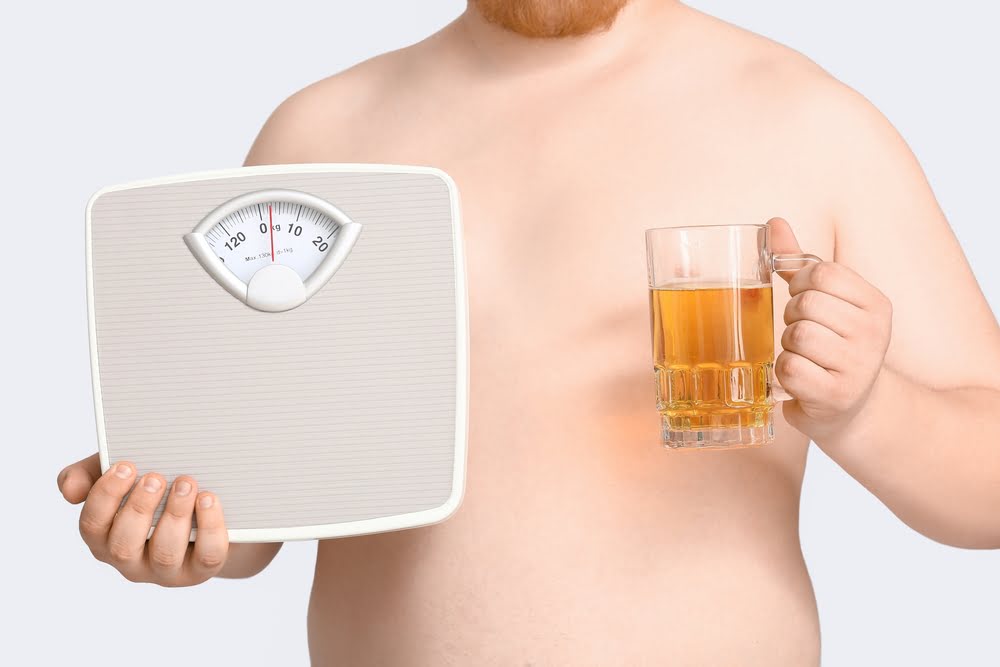

Overweight man holding a bathroom scale in one hand and a glass of beer in the other representing the conflict between alcohol and semaglutide during a medical weight loss program

Does Alcohol Affect Weight Loss on Semaglutide?

Weight Loss

Summer social events, backyard gatherings, and weekend celebrations are part of life. For patients on semaglutide, they also come with a question that does not always get a direct answer: is it safe to drink alcohol while on this medication, and what does it actually do to your weight loss progress?

This is one of the most commonly searched questions among people in medical weight loss programs, particularly during warmer months when social drinking is more frequent. The answer is more nuanced than a simple yes or no. Alcohol does not make semaglutide toxic, but it does interact with your treatment in ways that are worth understanding clearly.

This guide covers how alcohol affects semaglutide’s effectiveness, what the metabolic and physiological risks are, and how to make informed decisions about drinking without derailing the progress you have worked to achieve.

1. How Semaglutide Affects Your Relationship With Alcohol

One of the more unexpected observations among patients taking GLP-1 medications is a reduced desire to drink alcohol. Many people report that semaglutide dampens their interest in alcohol in a similar way to how it reduces food cravings. This appears to be related to the same neurological mechanisms through which GLP-1 medications reduce food reward signaling in the brain.

Research published by the National Institutes of Health has explored GLP-1 receptor agonists in the context of alcohol use, with findings suggesting that these medications may reduce alcohol cravings and consumption in some individuals. While this is not an approved use of semaglutide, it is a real phenomenon reported by a meaningful number of patients.

This does not mean alcohol is safe or consequence-free while on semaglutide. It means some patients naturally drink less, which may actually support their weight loss results. For patients who continue to drink at similar levels as before starting treatment, understanding the specific interactions between alcohol and semaglutide becomes important.

2. Alcohol and Semaglutide: How Drinking Affects Weight Loss Progress

Alcohol interferes with weight loss through several well-established mechanisms, and these mechanisms remain active and in some cases are amplified when combined with semaglutide.

Alcohol Is Calorie Dense With No Nutritional Value

Alcohol provides seven calories per gram, which places it close to fat in caloric density, without providing any protein, fiber, or micronutrients. A single glass of wine contains approximately 125 calories. A beer averages 150 calories. Cocktails made with sugary mixers can reach 300 to 500 calories per drink.

On semaglutide, appetite suppression typically reduces overall calorie intake significantly. Alcohol calories are often consumed in addition to rather than instead of food, because alcohol tends to stimulate appetite and lower inhibitions around food choices. This can partially or fully offset the caloric reduction that semaglutide produces through appetite suppression.

Alcohol Impairs Fat Metabolism

When alcohol is present in the body, the liver prioritizes metabolizing it above all other substrates, including fat. Fat oxidation essentially pauses while the liver processes alcohol. For patients in a weight loss program where the goal is to draw on stored fat for energy, regular alcohol consumption creates a metabolic interruption that slows fat loss even when overall calorie intake appears controlled.

Alcohol Disrupts Sleep Quality

As discussed in the research on sleep and weight gain, poor sleep disrupts appetite hormones and metabolic function in ways that directly impair weight management. Alcohol, despite causing drowsiness, significantly reduces sleep quality by suppressing REM sleep and increasing nighttime waking. Drinking even moderate amounts of alcohol within a few hours of bedtime can meaningfully degrade sleep quality, partially undermining the metabolic conditions that support weight loss.

Alcohol Affects Food Choices

Alcohol lowers inhibitions and impairs prefrontal cortex function, which is the part of the brain responsible for impulse control and decision-making. This increases the likelihood of making food choices that would not be made when sober, particularly for high-calorie, palatable foods. On semaglutide, the medication helps suppress appetite and food noise, but this effect can be at least partially overridden by alcohol’s disinhibiting effects on food-related decision-making.

3. The Caloric and Metabolic Impact of Alcohol on GLP-1 Treatment

Understanding the specific caloric and metabolic cost of alcohol helps patients make more informed decisions about when and how much to drink during semaglutide treatment.

A single standard drink, defined as 14 grams of pure alcohol, contains approximately 100 calories from alcohol alone before any mixers or additives are included. Three standard drinks in an evening adds a minimum of 300 calories to the day, with additional calories from food choices influenced by alcohol consumption.

The metabolic impact extends beyond calories. Alcohol stimulates insulin secretion, affects glucagon release, and disrupts the blood sugar regulation that semaglutide helps to support. For patients whose weight loss challenges are partly driven by insulin resistance or metabolic dysfunction, regular alcohol consumption creates metabolic headwinds that work against the treatment’s core mechanisms.

4. Side Effect Risks When Combining Alcohol and Semaglutide

Semaglutide slows gastric emptying, which affects how quickly alcohol is absorbed into the bloodstream. Because food and liquid move through the stomach more slowly on semaglutide, alcohol absorption may be delayed compared to drinking without the medication. This can affect the timing and intensity of alcohol’s effects in ways that are not always predictable.

The gastrointestinal side effects of semaglutide, including nausea, stomach discomfort, and vomiting, can be worsened by alcohol. Alcohol is a known gastrointestinal irritant, and combining it with a medication that already slows digestion and can cause nausea increases the likelihood of significant gastrointestinal discomfort, particularly in the early weeks of treatment or after dose increases.

Dehydration is another concern. Alcohol is a diuretic, and dehydration worsens the nausea and stomach discomfort that some patients experience on semaglutide. Staying adequately hydrated is important on semaglutide generally, and alcohol consumption makes this more challenging.

According to prescribing information reviewed by the FDA, there are no absolute contraindications between semaglutide and alcohol, but providers consistently recommend minimizing alcohol consumption during treatment given the compounding effects on gastrointestinal tolerance and weight loss outcomes.

5. What Happens to Blood Sugar When You Drink on Semaglutide

Semaglutide helps regulate blood sugar by enhancing insulin secretion and suppressing glucagon. Alcohol has its own complex effects on blood sugar that can interact with these mechanisms.

In the short term, alcohol can cause blood sugar to drop, particularly when consumed without food, because it inhibits glucagon release from the pancreas and impairs the liver’s ability to release stored glucose. On semaglutide, which also affects insulin and glucagon, the combined effect can increase the risk of hypoglycemia, particularly in patients who are also managing diabetes or insulin resistance.

Symptoms of low blood sugar include shakiness, sweating, confusion, dizziness, and rapid heartbeat. These symptoms can overlap with the symptoms of being intoxicated, which makes them harder to identify when drinking. Eating before or alongside drinking significantly reduces this risk by providing glucose that buffers against the blood sugar-lowering effects of alcohol.

6. Practical Guidelines for Drinking on Semaglutide

Complete alcohol elimination is not a requirement of semaglutide treatment, and most providers do not issue a blanket prohibition on drinking. What providers consistently recommend is moderation and awareness.

Limit consumption to one to two drinks on any given occasion. This minimizes the caloric impact, reduces the risk of gastrointestinal side effects, and limits the disruption to blood sugar regulation and sleep quality.

Always eat before or while drinking. Drinking on an empty stomach intensifies alcohol’s effects on blood sugar and increases the risk of nausea in combination with semaglutide’s slowing of gastric emptying.

Choose lower-calorie options. Dry wines, light beer, and spirits without sugary mixers minimize caloric addition to the day. Avoid cocktails with juice, soda, or syrup-based ingredients.

Stay well hydrated. Drink water alongside any alcohol to counteract the dehydrating effect and support the tolerability of semaglutide.

Avoid drinking around dose days if you are sensitive to nausea. Some patients find that the 24 to 48 hours around their weekly semaglutide injection are when gastrointestinal sensitivity is highest. Avoiding alcohol during this window can reduce the likelihood of significant discomfort.

Be honest with your provider. If alcohol consumption is a regular part of your social life, discussing it with your medical weight loss provider gives them the information needed to counsel you appropriately and adjust your treatment plan if necessary.

For patients managing their care through out-of-state telehealth consultations, this conversation is just as accessible virtually as it would be in a clinic setting.

7. Frequently Asked Questions

There is no absolute contraindication between semaglutide and alcohol. However, alcohol can worsen gastrointestinal side effects, impair fat metabolism, add significant calories, disrupt blood sugar regulation, and degrade sleep quality, all of which work against your weight loss progress. Moderate, infrequent drinking is generally tolerable for most patients, but heavier or frequent drinking meaningfully undermines treatment outcomes.

A single drink on an occasional basis is unlikely to significantly derail your progress. The concern with alcohol on semaglutide is cumulative. Regular moderate to heavy drinking creates consistent metabolic interference that slows fat loss, adds calories, and compounds the physiological challenges that semaglutide is working to address.

Semaglutide slows gastric emptying, which affects the rate at which substances leave the stomach and enter the small intestine for absorption. Some patients find that alcohol’s effects are delayed, stronger, or differently timed than before starting semaglutide. This variability makes it important to start with less than you might normally drink and assess how you respond.

Alcohol can lower blood sugar, and semaglutide affects insulin and glucagon regulation. The combination can increase the risk of hypoglycemia, particularly when drinking without food. Eating before and while drinking significantly reduces this risk. If you experience symptoms of low blood sugar such as shakiness, sweating, or confusion, treat them promptly and contact your provider.

A number of patients on semaglutide report a reduced desire to drink alcohol, which appears to be related to GLP-1 receptor activity in the brain’s reward system. This is not a guaranteed or approved effect, and individual experiences vary. Some patients notice a significant reduction in alcohol interest, while others experience little change.

No. You should not skip or delay your semaglutide dose based on plans to drink. Skipping doses disrupts the consistency of your treatment and can cause fluctuations in appetite suppression that are harder to manage than the interaction with moderate alcohol consumption. If you have concerns about combining your medication with a social occasion, discuss them with your medical weight loss provider in advance.

Key Takeaways

Alcohol and semaglutide do not create a dangerous combination, but they do create a counterproductive one when drinking is frequent or heavy. Alcohol adds significant calories with no nutritional benefit, pauses fat metabolism while it is being processed by the liver, worsens gastrointestinal side effects, disrupts sleep quality, and lowers inhibitions around food choices. GLP-1 medications may naturally reduce alcohol cravings in some patients through brain-based reward mechanisms, which can support better outcomes without deliberate effort. For patients who continue to drink during treatment, moderation, eating before drinking, and staying hydrated are the most practical strategies for limiting the impact on their weight loss progress. Open communication with your provider about alcohol use is the most important step in managing this aspect of treatment responsibly.

Have Questions About Alcohol and Your Semaglutide Treatment Plan?

Every patient’s situation is different, and the right guidance depends on your full clinical picture. If you have questions about how alcohol fits into your weight loss treatment, speaking with a qualified provider is the most direct path to a personalized answer. Learn more about medical weight loss programs and what comprehensive treatment oversight looks like. If you are outside of Maryland, out-of-state consultation options are available across multiple licensed states.

Medical Disclaimer: This article is for informational purposes only and does not constitute medical advice. The content is not intended to diagnose, treat, cure, or prevent any medical condition. Always consult a qualified healthcare provider before starting, stopping, or modifying any medication or treatment plan. Individual results and risks vary based on personal health history and clinical factors.

References

Currently only accepting new clients from: New Mexico, Utah, Minnesota, Maryland, Virginia, Delaware, Colorado, West Virginia, Arizona, Iowa, Florida, Nevada, and Connecticut.