
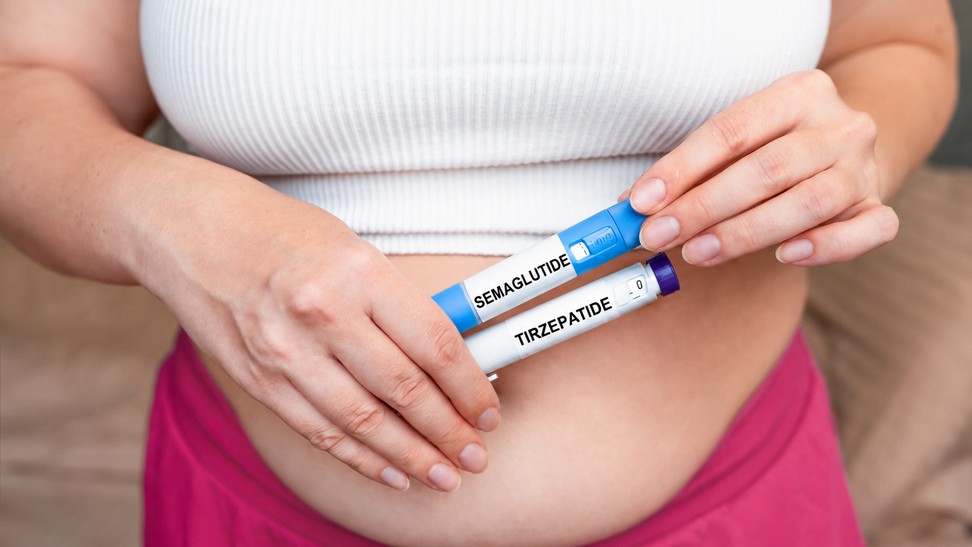

Person holding labeled semaglutide and tirzepatide injection pens near their abdomen representing the comparison of tirzepatide side effects against semaglutide during medical weight loss treatment

What Are the Side Effects of Tirzepatide and How Do They Compare to Semaglutide?

Medical Weight Loss

Tirzepatide has become one of the most discussed medications in medical weight loss following the results of the SURMOUNT clinical trials, which demonstrated average weight loss of up to 20 percent of body weight at the highest dose. For many patients, it represents a meaningful step forward in what prescription weight loss treatment can achieve.

But like any medication that produces real physiological change, tirzepatide comes with side effects. Understanding what those side effects are, how they compare to semaglutide, and what you can do to manage them makes the difference between a patient who stays on treatment long enough to see results and one who stops prematurely during the adjustment period.

This guide covers everything you need to know about tirzepatide side effects before you start, including an honest comparison with semaglutide for patients trying to decide between the two.

1. What Is Tirzepatide and How Does It Work?

Tirzepatide is a dual GIP and GLP-1 receptor agonist. This means it activates two hormonal pathways simultaneously rather than one. GLP-1, or glucagon-like peptide-1, and GIP, or glucose-dependent insulinotropic polypeptide, are both hormones involved in appetite regulation, insulin secretion, and metabolic function.

By targeting both receptors, tirzepatide produces stronger appetite suppression and greater metabolic effects than GLP-1 alone in most patients. It is sold under the brand name Zepbound for weight management and Mounjaro for type 2 diabetes, and it is administered as a once-weekly subcutaneous injection.

The same dual mechanism that makes tirzepatide more effective for weight loss also shapes its side effect profile. Because it activates GLP-1 receptors, it shares many of the gastrointestinal side effects associated with semaglutide. The GIP component adds some nuance to how these effects are experienced, which will be addressed in the comparison section below.

2. The Most Common Tirzepatide Side Effects

The most frequently reported tirzepatide side effects are gastrointestinal in nature. This is consistent with the mechanism of action, since both GLP-1 and GIP receptors influence digestion, gastric motility, and appetite signaling in the gut.

Nausea

Nausea is the most commonly reported side effect of tirzepatide, particularly during the early weeks of treatment and following dose increases. It typically ranges from mild queasiness to more pronounced discomfort and tends to be most noticeable in the 24 to 48 hours following each weekly injection.

For most patients, nausea improves significantly within two to four weeks as the body adjusts to the medication. Eating smaller meals, avoiding heavy or greasy foods, and injecting at a consistent time each week can all help reduce the intensity of nausea during the adjustment period.

Diarrhea

Diarrhea is the second most commonly reported gastrointestinal side effect. It can range from mild loose stools to more frequent and urgent bowel movements. Staying well hydrated is particularly important if diarrhea is present, as dehydration can worsen other side effects including headaches and fatigue.

Like nausea, diarrhea tends to improve as the body adapts to the medication and typically resolves or becomes much less frequent within the first four to eight weeks of treatment.

Vomiting

Vomiting occurs in some patients, most commonly during dose escalations rather than at a stable maintenance dose. If vomiting is frequent, severe, or interfering with the ability to stay hydrated, it is important to contact your provider rather than waiting for it to resolve on its own. Dose adjustment or a slower escalation schedule can often address this effectively.

Constipation

Constipation is less commonly discussed but affects a meaningful number of patients on tirzepatide. Because the medication slows gastric emptying, food moves through the digestive system more slowly, which can reduce bowel movement frequency. Increasing dietary fiber, maintaining adequate hydration, and regular physical activity all support more consistent bowel function during treatment.

Decreased Appetite

While decreased appetite is the intended therapeutic effect of tirzepatide, some patients experience appetite suppression that goes beyond what they were expecting, leading to difficulty eating adequate amounts. Ensuring that meals remain nutritionally complete even at smaller volumes is important for maintaining energy, muscle mass, and overall health during treatment.

Abdominal Discomfort

Bloating, cramping, and general abdominal discomfort are frequently reported, particularly after meals. These symptoms are related to the slowing of gastric emptying and tend to improve as the dose stabilizes and the body adjusts to the medication’s effects on digestion.

Fatigue

Some patients experience increased fatigue, particularly in the first few weeks of treatment. This is often related to the combination of reduced calorie intake and the body’s adjustment to hormonal changes. It typically resolves as the body adapts and eating patterns stabilize.

3. Tirzepatide Side Effects: Less Common but Important Risks

Beyond the common gastrointestinal effects, there are several less frequent but clinically important risks associated with tirzepatide that every patient should be aware of before starting treatment.

Hypoglycemia

Tirzepatide has a low risk of causing low blood sugar on its own because its insulin-stimulating effects are glucose-dependent, meaning it only stimulates insulin when blood sugar is rising after a meal. However, patients taking tirzepatide alongside other diabetes medications that lower blood sugar, such as sulfonylureas or insulin, face a higher risk of hypoglycemia. This is an important consideration for patients who are managing diabetes alongside their weight loss treatment.

Pancreatitis

Acute pancreatitis has been reported with GLP-1 receptor agonists including tirzepatide. Symptoms include persistent and severe abdominal pain, often radiating to the back, that does not improve with time. If this occurs, stop the medication and seek medical attention immediately. This is a serious but rare complication and should not be confused with the mild abdominal discomfort described above.

Gallbladder Issues

Rapid weight loss of any kind increases the risk of gallstone formation, and GLP-1 medications including tirzepatide have been associated with gallbladder-related events including cholecystitis. Symptoms include upper right abdominal pain, fever, and nausea. Patients with a history of gallbladder disease should discuss this risk specifically with their provider.

Thyroid Concerns

Tirzepatide carries a boxed warning regarding a rare type of thyroid tumor, medullary thyroid carcinoma, that was observed in animal studies. The relevance to humans has not been established, but tirzepatide is contraindicated in patients with a personal or family history of medullary thyroid cancer or multiple endocrine neoplasia syndrome type 2. Any new neck lump, difficulty swallowing, or persistent hoarseness during treatment should be reported to your provider promptly.

Heart Rate Increase

Some patients experience a modest increase in resting heart rate on tirzepatide. According to the FDA prescribing information for tirzepatide, this has been observed in clinical trials and should be monitored in patients with pre-existing heart rate concerns.

Injection Site Reactions

Mild redness, itching, or swelling at the injection site can occur. Rotating injection sites with each weekly dose and following proper injection technique significantly reduces the likelihood of persistent injection site reactions.

4. How Long Do Tirzepatide Side Effects Last?

The timeline for tirzepatide side effects follows a predictable pattern that is helpful to understand before starting treatment.

Weeks 1 to 4: Side effects are most noticeable during this early period. Nausea, digestive changes, and fatigue are common as the body adjusts to the medication and to eating less.

Weeks 4 to 8: Most patients see meaningful improvement in side effect intensity by this point. The digestive system has begun to adapt, and appetite suppression feels less disruptive and more manageable.

After dose increases: Each escalation in dose can bring a temporary return of mild side effects, typically lasting one to two weeks before the body adjusts to the new level.

Long-term: Most patients who tolerate the initial adjustment period well report that side effects are minimal or absent at their stable maintenance dose. According to results from the SURMOUNT-1 trial published in the New England Journal of Medicine, gastrointestinal side effects were the primary reason for treatment discontinuation in clinical trials, but the majority of participants completed the study successfully.

5. Tirzepatide vs Semaglutide: How Side Effects Compare

Both tirzepatide and semaglutide share a broadly similar gastrointestinal side effect profile because both activate GLP-1 receptors. However, several differences in how these side effects are experienced have been noted by patients and in clinical literature.

Side EffectTirzepatideSemaglutide
NauseaVery common, especially earlyVery common, especially early
DiarrheaCommonCommon
ConstipationCommonCommon
VomitingLess commonLess common
FatigueReported by someReported by some
Heart rate increaseReportedReported
Pancreatitis riskRareRare
Thyroid warningYesYes

One pattern that has emerged from patient reports and early comparative data is that some patients find tirzepatide produces less nausea than semaglutide at equivalent therapeutic doses. This may be related to the GIP component of tirzepatide, which appears to have some counterbalancing effect on GLP-1-mediated gastrointestinal activity. This is not definitively established in large-scale head-to-head trials and individual experiences vary considerably.

Patients who switched from semaglutide to tirzepatide due to inadequate weight loss sometimes report that side effects are similar to what they experienced at the start of semaglutide, reflecting the need to re-adjust to a new medication rather than any inherent difference in tolerability.

6. Tips for Managing Tirzepatide Side Effects

The adjustment period for tirzepatide is real but manageable for most patients with the right strategies in place.

  • Eat smaller, more frequent meals rather than large ones to reduce pressure on a slower-moving digestive system
  • Avoid greasy, heavily spiced, and very sweet foods during the first weeks of treatment
  • Stay consistently hydrated throughout the day, aiming for at least eight glasses of water daily
  • Inject on the same day each week to keep medication levels consistent
  • Consider injecting in the evening so that peak nausea coincides with sleep rather than daytime activity
  • Avoid alcohol during the early adjustment period, as it can worsen gastrointestinal symptoms
  • Communicate openly with your provider if side effects are significantly affecting your daily life, as dose adjustment is often an effective solution

7. When to Contact Your Provider

Most tirzepatide side effects do not require urgent attention, but certain symptoms warrant a prompt call to your healthcare provider.

Contact your provider if you experience severe or persistent vomiting that prevents adequate hydration, severe abdominal pain that does not improve or radiates to your back, signs of low blood sugar including shakiness, sweating, or confusion, new neck lumps or difficulty swallowing, significant and unexplained increases in heart rate, or signs of an allergic reaction including rash, swelling, or difficulty breathing.

If you are managing your treatment through a medical weight loss program, your provider is accessible for follow-up conversations about side effects through virtual appointments, which makes early intervention practical and straightforward. For patients accessing care from outside Maryland, out-of-state telehealth consultations provide the same level of oversight and follow-up support through HIPAA-compliant virtual appointments.

8. Frequently Asked Questions

Tirzepatide and semaglutide share a broadly similar gastrointestinal side effect profile. Some patient reports and early comparative data suggest tirzepatide may produce slightly less nausea than semaglutide at equivalent doses, though this is not definitively established. Individual experiences vary significantly, and tolerability depends on many personal factors including dose, starting health status, and lifestyle habits during treatment.

Nausea from tirzepatide is most pronounced in the first two to four weeks of treatment and after each dose increase. Most patients find that nausea improves significantly within four to eight weeks of starting at any given dose level. The gradual dose escalation schedule built into the tirzepatide protocol is specifically designed to minimize nausea intensity during the adjustment period.

Some over-the-counter options may help manage mild nausea, but you should always check with your provider before adding any medication to your routine. What is safe depends on your full medical history, current prescriptions, and the specific over-the-counter product you are considering.

Hair loss, or telogen effluvium, has been reported by some patients on tirzepatide and other GLP-1 medications. It appears to be related to rapid weight loss and nutritional changes rather than a direct effect of the medication itself. Ensuring adequate protein intake and overall nutritional quality during treatment can help minimize this risk. Most cases are temporary and resolve with time.

Contact your provider before making any changes to your treatment. Dose adjustment, a slower escalation schedule, or changes to meal timing and composition can often resolve or significantly reduce side effects that feel unmanageable. Stopping the medication abruptly without medical guidance is not the recommended approach.

Current evidence, including long-term data from the SURMOUNT trials, supports the safety of tirzepatide for extended use in appropriate patients with ongoing medical oversight. Long-term safety data continues to accumulate as the medication’s real-world use expands. Your provider can discuss the current evidence base and what long-term monitoring looks like within a responsible medical weight loss program.

Key Takeaways

Building muscle after 40 is harder for measurable physiological reasons, including declining testosterone, slower recovery, and age-related changes in anabolic signaling. Testosterone replacement therapy addresses one of the most significant of these factors by restoring testosterone to a healthy physiological range, which enhances muscle protein synthesis, improves the anabolic response to training, reduces fat mass, and supports recovery. The research consistently shows that TRT produces meaningful improvements in lean mass and body composition in men with testosterone deficiency, particularly when combined with resistance training. Realistic expectations are important: changes are gradual, training and nutrition remain essential, and TRT is not a shortcut to dramatic muscle gain but rather a restoration of a physiological environment that makes the work of building muscle more productive. Men who approach TRT as part of a comprehensive health strategy that includes consistent training, adequate protein, and quality sleep are the ones who see the most meaningful and lasting body composition results.

Ready to Find Out If TRT Could Support Your Fitness and Body Composition Goals?

A comprehensive evaluation will determine whether your testosterone levels are contributing to the muscle building challenges you are experiencing and whether treatment is appropriate for your situation. Learn more about testosterone replacement therapy and what the evaluation and treatment process looks like. If you are outside of Maryland, out-of-state consultation options are available across multiple licensed states.

Medical Disclaimer: This article is for informational purposes only and does not constitute medical advice. The content is not intended to diagnose, treat, cure, or prevent any medical condition. Always consult a qualified healthcare provider before starting, stopping, or modifying any medication, supplement, or training program. Individual results vary based on personal health history, training background, and clinical factors.

References
Young man in an orange shirt sitting tensely on a couch with his hands clasped to his mouth representing the anxiety and emotional changes men experience when they stop TRT

What Happens to Your Body When You Stop TRT?

Testosterone replacement therapy is typically described as a long-term treatment, and for most men with clinically low testosterone, the intention when starting is to continue indefinitely. But life changes. Circumstances shift. Some men decide they want to try stopping TRT, whether because of side effects, family planning considerations, cost, or simply a desire to see how their body functions without it.

Read More »
Woman in athletic wear pinching abdominal fat on her midsection, illustrating the question what is visceral fat and the challenge of reducing visceral fat and subcutaneous fat through diet and exercise.

What Is Visceral Fat and Why Is It So Hard to Lose?

You may have noticed that weight loss does not always come off evenly. You lose weight on the scale, but the stubborn belly fat seems to hold on longer than fat in other areas. In many cases, that persistent abdominal fullness is not just a cosmetic concern. It is visceral fat, and it behaves very differently from the fat you can pinch beneath the skin.

Read More »
Muscular man in a red shirt lifting heavy dumbbells at the gym representing the physical results possible with TRT and muscle building through consistent resistance training

Does TRT Help With Building Muscle After 40?

If you are over 40 and have noticed that building or maintaining muscle has become significantly harder than it used to be, you are not imagining it. The physiological changes that make muscle development more challenging with age are real, measurable, and largely driven by declining testosterone levels.

Read More »
Man sitting alone on the floor with his head in his hand and knees pulled to his chest representing the emotional weight of testosterone and depression in men with low hormone levels

Can Low Testosterone Cause Depression and Anxiety in Men?

Depression and anxiety in men are frequently underdiagnosed and undertreated. Men are less likely than women to seek mental health support, more likely to attribute emotional symptoms to stress or fatigue, and often unaware that their mood disturbances may have a physiological cause that is both measurable and treatable.

Read More »

Currently only accepting new clients from: New Mexico, Utah, Minnesota, Maryland, Virginia, Delaware, Colorado, West Virginia, Arizona, Iowa, Florida, Nevada, and Connecticut.