
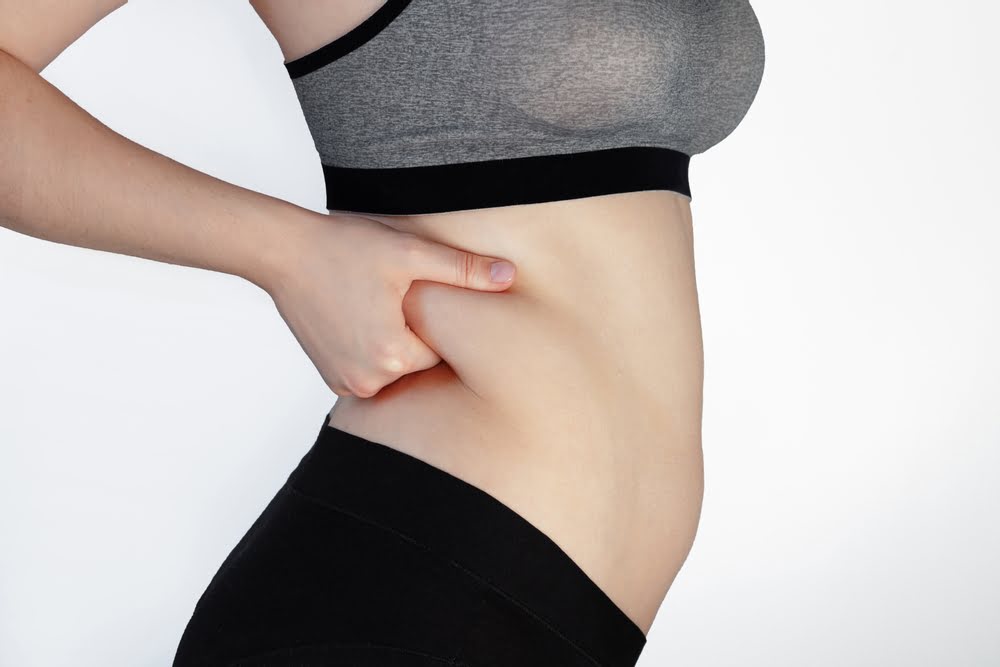

Woman in athletic wear pinching abdominal fat on her midsection, illustrating the question what is visceral fat and the challenge of reducing visceral fat and subcutaneous fat through diet and exercise.

What Is Visceral Fat and Why Is It So Hard to Lose?

Medical Weight Loss

You may have noticed that weight loss does not always come off evenly. You lose weight on the scale, but the stubborn belly fat seems to hold on longer than fat in other areas. In many cases, that persistent abdominal fullness is not just a cosmetic concern. It is visceral fat, and it behaves very differently from the fat you can pinch beneath the skin.

Understanding what visceral fat is, why it accumulates, why it resists standard weight loss approaches, and what actually works to reduce it changes the way you approach weight management entirely. For many people, addressing visceral fat is not just about appearance. It is a meaningful step toward reducing risk for serious metabolic and cardiovascular disease.

1. What Is Visceral Fat?

Visceral fat is the fat stored deep within the abdominal cavity, surrounding the internal organs including the liver, pancreas, and intestines. Unlike subcutaneous fat, which sits just beneath the skin and is the fat you can feel when you pinch your midsection, visceral fat is packed around and between organs in a way that is not visible or palpable from the outside.

The amount of visceral fat a person carries cannot be accurately determined by appearance alone. A person with a relatively flat abdomen can have significant visceral fat deposits, while someone who appears to carry more weight may have a higher proportion of subcutaneous fat rather than visceral fat. Accurate measurement requires imaging such as CT scan or MRI, though waist circumference and waist-to-hip ratio are useful clinical proxies.

A waist circumference above 40 inches in men or 35 inches in women is considered a clinical indicator of excess visceral adiposity, according to guidelines referenced by the National Institutes of Health.

2. Visceral Fat vs Subcutaneous Fat: What Is the Difference?

Understanding the distinction between these two types of fat is important because they behave differently in the body and respond differently to interventions.

Subcutaneous fat is the layer of fat stored directly beneath the skin. It is distributed across the body, including the hips, thighs, arms, and abdomen. Subcutaneous fat serves as an energy reserve and provides insulation. While excess subcutaneous fat contributes to overweight and obesity, it is metabolically less active than visceral fat and carries a lower independent risk for metabolic disease.

Visceral fat is metabolically active in a fundamentally different way. It releases fatty acids, inflammatory cytokines, and hormones directly into the portal circulation, which drains into the liver. This means the liver is constantly exposed to the metabolic byproducts of visceral fat in a way that drives insulin resistance, inflammation, and lipid abnormalities.

This distinction explains why two people with the same body weight and BMI can have very different metabolic risk profiles depending on where their fat is distributed. The person carrying more visceral fat faces significantly higher metabolic and cardiovascular risk even if their overall weight is similar to someone with a more subcutaneous distribution.

3. Why Visceral Fat Is Dangerous

Visceral fat is not simply stored energy. It functions as an active endocrine organ that produces hormones and inflammatory compounds with far-reaching effects on metabolic health.

Insulin resistance. Visceral fat releases free fatty acids into the portal circulation, which impairs the liver’s response to insulin. This drives systemic insulin resistance, which is a central feature of metabolic syndrome and a precursor to type 2 diabetes. The more visceral fat is present, the more pronounced the insulin resistance tends to be.

Chronic inflammation. Visceral fat produces inflammatory cytokines including tumor necrosis factor-alpha and interleukin-6. Chronic low-grade inflammation driven by visceral fat is associated with cardiovascular disease, certain cancers, and a range of other conditions where inflammation plays a causative role.

Cardiovascular risk. Excess visceral fat is associated with elevated triglycerides, reduced HDL cholesterol, elevated LDL cholesterol, and higher blood pressure, all of which independently increase cardiovascular risk. The combination of these factors in the presence of excess visceral fat substantially elevates the risk of heart attack and stroke.

Liver disease. The constant exposure of the liver to free fatty acids released by visceral fat is a primary driver of non-alcoholic fatty liver disease, a condition that can progress to more serious liver damage if unaddressed.

Hormonal disruption. Visceral fat tissue produces estrogen through aromatization and interferes with the normal hormonal signaling involved in appetite regulation, metabolism, and reproductive health. In men, excess visceral fat is associated with lower testosterone levels, which creates a cycle where low testosterone promotes further visceral fat accumulation.

According to research reviewed by the American Heart Association, visceral adiposity is an independent cardiovascular risk factor beyond what is captured by BMI or total body weight measures alone.

4. Why Visceral Fat Is So Hard to Lose

Visceral fat is notoriously resistant to standard dietary restriction and exercise approaches, and understanding why helps explain why so many people feel like they are doing everything right and still cannot shift their belly.

Hormonal protection. Visceral fat accumulation is driven and maintained by cortisol, insulin, and sex hormone imbalances. When these hormonal drivers remain present, the body actively resists drawing on visceral stores even when overall caloric intake is reduced.

Metabolic adaptation. As the body loses weight through calorie restriction, metabolic rate adapts downward. The body preferentially preserves visceral fat in some contexts because of its hormonal significance as a cortisol-responsive energy reserve, meaning subcutaneous fat may be mobilized first before visceral stores are significantly reduced.

Stress and cortisol. Cortisol specifically promotes visceral fat deposition. Chronic stress keeps cortisol elevated, which continuously drives fat storage in the abdominal region regardless of dietary intake. People under significant chronic stress often find that their visceral fat is particularly resistant to reduction even with appropriate dietary and exercise interventions.

Inflammation perpetuates itself. The inflammatory compounds released by visceral fat create a metabolic environment that makes further fat loss harder, disrupts appetite hormone signaling, and promotes insulin resistance, all of which compound the difficulty of reducing visceral stores.

Sleep deprivation. Poor sleep elevates cortisol, disrupts appetite hormones, and impairs insulin sensitivity, all of which specifically promote visceral fat accumulation and resist its reduction. Addressing sleep is not optional for patients seriously trying to reduce visceral fat.

5. What Drives Visceral Fat Accumulation?

Several factors contribute to visceral fat accumulation beyond general caloric excess. Understanding these drivers helps identify which interventions are most relevant for a given patient.

Chronic stress and elevated cortisol is one of the strongest drivers of visceral fat. Cortisol receptors are more abundant in visceral fat tissue than in subcutaneous fat, meaning the abdominal region is particularly responsive to cortisol-driven fat storage.

Low testosterone in men is strongly associated with visceral fat accumulation. Testosterone inhibits fat cell differentiation in visceral depots, and low testosterone allows visceral fat to expand more readily. This creates a bidirectional relationship: low testosterone promotes visceral fat, and visceral fat further reduces testosterone through aromatization and inflammatory mechanisms.

Insulin resistance and high insulin levels promote visceral fat storage by increasing fat cell uptake of circulating lipids and reducing fat mobilization from visceral stores.

Excess alcohol consumption preferentially promotes visceral fat deposition. Alcohol is metabolized by the liver, and the metabolic byproducts of alcohol metabolism promote abdominal fat storage in a way that disproportionately affects the visceral compartment.

Sedentary behavior reduces the metabolic demands on visceral fat stores and removes one of the most effective stimuli for visceral fat mobilization, which is regular physical activity, particularly aerobic exercise.

6. What Actually Works to Reduce Visceral Fat

Reducing visceral fat requires addressing the hormonal and metabolic drivers that caused it to accumulate, not just creating a caloric deficit. The following interventions have the strongest evidence base for visceral fat reduction specifically.

Regular Aerobic Exercise

Aerobic exercise is the single most effective behavioral intervention for reducing visceral fat, with effects that appear to be independent of weight loss. Research consistently shows that aerobic exercise preferentially reduces visceral fat relative to subcutaneous fat, even when total body weight changes are modest. Walking, cycling, swimming, and other moderate-intensity aerobic activities performed consistently produce meaningful reductions in visceral fat over time.

Resistance Training

While aerobic exercise produces more direct visceral fat reduction, resistance training supports the process by improving insulin sensitivity, increasing metabolic rate, and supporting testosterone levels in men. The combination of aerobic and resistance training produces better body composition outcomes than either alone.

Stress Management

Because cortisol is a primary driver of visceral fat accumulation, addressing chronic stress is not a soft recommendation. It is a clinical necessity for patients whose visceral fat is significantly driven by elevated cortisol. Sleep, boundaries, mindfulness practices, and social connection all contribute to cortisol management.

Sleep Optimization

Consistently achieving seven to nine hours of quality sleep reduces cortisol, normalizes appetite hormones, and improves insulin sensitivity, all of which create a more favorable metabolic environment for visceral fat reduction.

Dietary Approaches

Reducing refined carbohydrates and added sugars helps lower insulin levels and reduces the insulin-driven storage of visceral fat. Increasing protein and fiber supports satiety and metabolic function. Overall caloric balance matters, but the composition of the diet has independent effects on visceral fat accumulation and reduction.

Medical Weight Loss

For patients with significant visceral fat accumulation, particularly when driven by insulin resistance, hormonal imbalances, or metabolic dysfunction, a medical weight loss program offers structured, clinically supported intervention that goes beyond what behavioral changes alone can achieve.

GLP-1 medications such as semaglutide and tirzepatide have demonstrated meaningful effects on visceral fat reduction, with some research showing preferential loss of visceral fat relative to subcutaneous fat during treatment. These medications address the underlying insulin resistance and appetite dysregulation that drives visceral fat accumulation, making them particularly well suited to patients where metabolic dysfunction is a central feature of their weight management challenge.

For patients outside of Maryland who are interested in accessing medical weight loss support, out-of-state telehealth consultations provide access to comprehensive evaluation and prescribing from a qualified provider without requiring travel to a clinic.

7. How Medical Weight Loss Addresses Visceral Fat

A well-designed medical weight loss program approaches visceral fat as a metabolic problem rather than simply a cosmetic one. This means addressing the insulin resistance, hormonal imbalances, inflammatory drivers, and behavioral patterns that contribute to visceral fat accumulation alongside the prescription interventions that support weight loss.

For men with low testosterone and significant visceral fat, coordinating testosterone replacement therapy with weight loss treatment can produce outcomes that neither intervention achieves as effectively alone. Normalized testosterone supports greater visceral fat reduction, and reduced visceral fat in turn supports healthier testosterone levels, creating a positive cycle rather than the negative one that often precedes treatment.

A qualified provider will assess visceral fat risk through waist circumference, metabolic labs, and clinical history, and will incorporate that assessment into a treatment plan that addresses the full metabolic picture rather than focusing only on the number on the scale.

8. Frequently Asked Questions

You cannot spot-reduce fat in any specific area through exercise, but aerobic exercise preferentially reduces visceral fat relative to subcutaneous fat, even when total weight loss is modest. This makes consistent aerobic activity one of the most targeted interventions available for visceral fat specifically.

Waist circumference is the most accessible proxy measure. A waist measurement above 40 inches in men or 35 inches in women is a clinical indicator of excess visceral adiposity. Metabolic lab findings including elevated triglycerides, low HDL, elevated fasting glucose, and high blood pressure in combination with abdominal girth are strong indicators. Definitive measurement requires imaging.

Yes. Visceral fat tends to produce a firmer, rounder abdomen that feels different from the softer, more pinchable quality of subcutaneous fat. The classic “hard belly” associated with central obesity in men is predominantly driven by visceral fat rather than subcutaneous accumulation.

Yes. Research on semaglutide and tirzepatide has demonstrated meaningful reductions in visceral fat during treatment. These medications address the underlying insulin resistance and appetite dysregulation that drive visceral fat accumulation, and some studies show preferential visceral fat reduction relative to subcutaneous fat during GLP-1 treatment.

Visceral fat is an independent metabolic risk factor beyond what is captured by BMI or total body weight. Two people at the same BMI can have very different metabolic risk profiles depending on their visceral fat distribution. High visceral fat in the presence of normal or near-normal overall weight is a well-recognized risk pattern sometimes described as metabolically obese normal weight.

Meaningful reductions in visceral fat typically develop over three to six months of consistent intervention, with imaging studies showing measurable changes within this timeframe in patients engaged in regular aerobic exercise and appropriate dietary changes. Medical interventions including GLP-1 medications can accelerate this timeline, with significant visceral fat reductions documented in clinical trials within 12 to 24 weeks of treatment.

Key Takeaways

Building muscle after 40 is harder for measurable physiological reasons, including declining testosterone, slower recovery, and age-related changes in anabolic signaling. Testosterone replacement therapy addresses one of the most significant of these factors by restoring testosterone to a healthy physiological range, which enhances muscle protein synthesis, improves the anabolic response to training, reduces fat mass, and supports recovery. The research consistently shows that TRT produces meaningful improvements in lean mass and body composition in men with testosterone deficiency, particularly when combined with resistance training. Realistic expectations are important: changes are gradual, training and nutrition remain essential, and TRT is not a shortcut to dramatic muscle gain but rather a restoration of a physiological environment that makes the work of building muscle more productive. Men who approach TRT as part of a comprehensive health strategy that includes consistent training, adequate protein, and quality sleep are the ones who see the most meaningful and lasting body composition results.

Ready to Find Out If TRT Could Support Your Fitness and Body Composition Goals?

A comprehensive evaluation will determine whether your testosterone levels are contributing to the muscle building challenges you are experiencing and whether treatment is appropriate for your situation. Learn more about testosterone replacement therapy and what the evaluation and treatment process looks like. If you are outside of Maryland, out-of-state consultation options are available across multiple licensed states.

Medical Disclaimer: This article is for informational purposes only and does not constitute medical advice. The content is not intended to diagnose, treat, cure, or prevent any medical condition. Always consult a qualified healthcare provider before starting, stopping, or modifying any medication, supplement, or training program. Individual results vary based on personal health history, training background, and clinical factors.

References
Young man in an orange shirt sitting tensely on a couch with his hands clasped to his mouth representing the anxiety and emotional changes men experience when they stop TRT

What Happens to Your Body When You Stop TRT?

Testosterone replacement therapy is typically described as a long-term treatment, and for most men with clinically low testosterone, the intention when starting is to continue indefinitely. But life changes. Circumstances shift. Some men decide they want to try stopping TRT, whether because of side effects, family planning considerations, cost, or simply a desire to see how their body functions without it.

Read More »
Muscular man in a red shirt lifting heavy dumbbells at the gym representing the physical results possible with TRT and muscle building through consistent resistance training

Does TRT Help With Building Muscle After 40?

If you are over 40 and have noticed that building or maintaining muscle has become significantly harder than it used to be, you are not imagining it. The physiological changes that make muscle development more challenging with age are real, measurable, and largely driven by declining testosterone levels.

Read More »
Man sitting alone on the floor with his head in his hand and knees pulled to his chest representing the emotional weight of testosterone and depression in men with low hormone levels

Can Low Testosterone Cause Depression and Anxiety in Men?

Depression and anxiety in men are frequently underdiagnosed and undertreated. Men are less likely than women to seek mental health support, more likely to attribute emotional symptoms to stress or fatigue, and often unaware that their mood disturbances may have a physiological cause that is both measurable and treatable.

Read More »

Currently only accepting new clients from: New Mexico, Utah, Minnesota, Maryland, Virginia, Delaware, Colorado, West Virginia, Arizona, Iowa, Florida, Nevada, and Connecticut.